








Preview: Even coffee snobs underestimate water’s secret power.
Coffee aficionados can spend hours waxing poetic about single-origin beans, the grind size, or their fancy brewing contraption. But here’s a steamy little secret: a whopping 98% of your cup of coffee is actually water. In other words, you might be sipping a hot cup of “filtered municipal surprise” rather than the full glory of your chosen beans. Let’s dive in—waders on—into why water quality is the unsung hero (or villain) in the world of coffee.
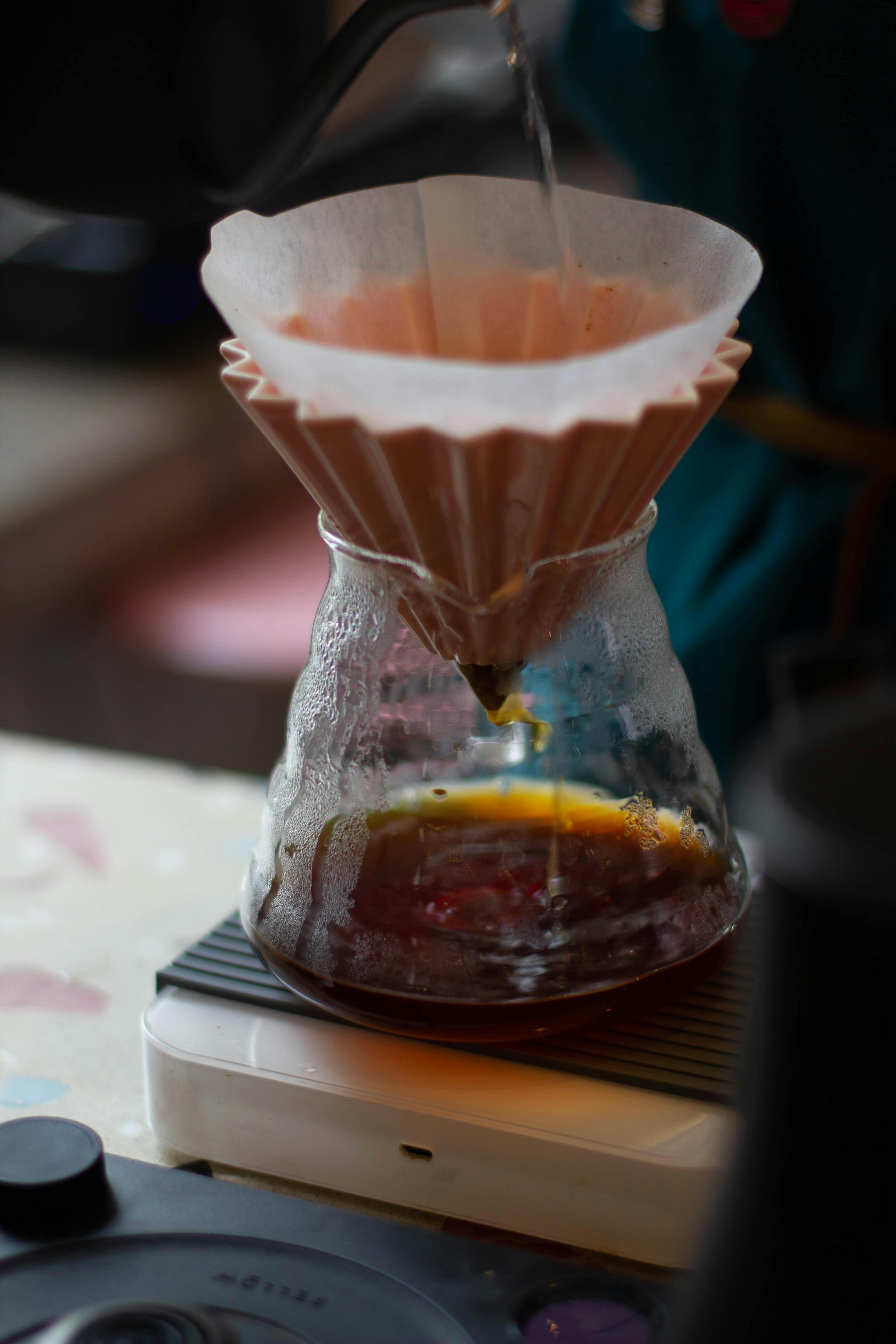
Water: Not Just Wet—But Wildly Complex
Water isn’t just H2O; it comes with baggage—minerals, chemicals, and mysterious flavors from its journey through pipes, rivers, and reservoirs. All this makes water the world’s most unpredictable barista. The main culprits impacting your brew are:
- Hardness: Primarily caused by calcium and magnesium.
- pH Level: The acidity or alkalinity.
- Total Dissolved Solids (TDS): A catch-all for everything else dissolved in your water, from minerals to, well, “flavor enhancers.”
Hard vs. Soft Water: The Brew Brawl
- Hard Water: Packed with minerals, hard water can bring out more flavor in coffee. But too much, and you’ll get a dull, flat cup—like a joke with no punchline.
- Soft Water: Lacking minerals, soft water can make coffee taste overly acidic—like biting into a lemon and realizing it’s actually a lime.
Finding the sweet spot is key. According to experts, the ideal water for coffee is like Goldilocks—neither too hard nor too soft, but just right.
“The two biggest impacts on the taste and quality of my coffee have been water and grinder. A distilled gallon and a third wave mineral packet is a tremendous upgrade.”
— Reddit’s r/Coffee
The pH Factor: Not Just for Science Class
The perfect brewing water has a pH between 6.5 and 7.5—slightly acidic, but not enough to dissolve the spoon. This acidity helps extract the tastier compounds from your beans, while keeping bitterness at bay.
Total Dissolved Solids: TDS—Totally Delicious Science
TDS is the sum of all minerals and organic matter in your water. Some TDS is crucial for flavor extraction, but too much can leave you with over-extracted, muddy-tasting coffee. Too little and your coffee will taste like hot bean water. (Yum?)
How to Hack Your Water for the Perfect Brew
- Filter It Like You Mean It: Use activated carbon filters to zap chlorine and off-flavors.
- Go Custom: Consider using distilled or reverse osmosis water, then add minerals back using coffee-specific “mineral packets.”
- Measure Everything: TDS meters are your friend. Aim for 75–250 ppm of TDS for most coffee.
- Experiment Shamelessly: Every coffee, every brew method, and every palate is different. Tinker until you hit liquid gold.

Consistency Is King, Queen, and Court Jester
Find a water formula that makes your tastebuds sing and stick with it. The more consistent your water, the more reliably glorious your brews will be. After all, you wouldn’t change your favorite beans every day… would you?
The Final Drip
Water quality is the hidden puppet master of coffee flavor. Next time you sip your brew, give a toast to the stuff that’s 98% of your cup and 100% essential to your morning happiness.





Recent Comments